


When you’re travelling off-road, dust can quickly make its way inside your caravan and settle on just about everything. A Dust Reduction System (DRS) helps minimise dust entering your van, making it an essential addition for off-road adventures.
Table Of Contents
Why Do You Need A Dust Reduction System?
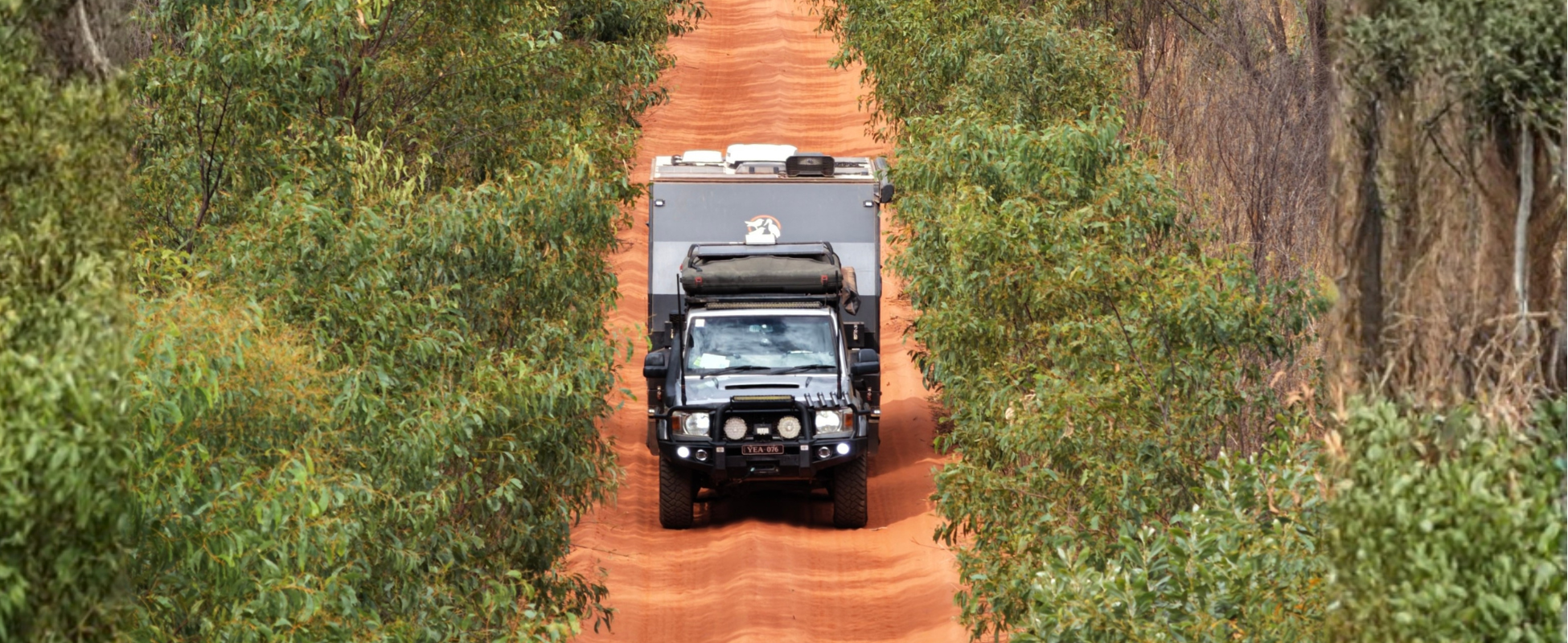
Australia is famous for its rugged landscapes, incredible off-road destinations and thick red dust! Exploring these remote parts of the country is one of the best things about travelling in a caravan, but the same dust that makes these landscapes so unique can cause plenty of problems for your home on wheels.
Dust is more than just a nuisance. Fine dust particles can make their way into almost every corner of your caravan, potentially causing both structural and operational damage over time.
-
Interior Damage - Fine silica particles act like sandpaper, wearing down cabinets and furnishings, while also clogging ventilation filters and making their way into electrical components and appliances. Over time, this can contribute to costly repairs or replacement bills.
-
Resale Value - Regular exposure to dust can also take its toll on your caravan’s condition and appearance. Dust-stained furnishings, marked surfaces and abraded cabinets can affect the overall presentation of your caravan and potentially reduce its resale value.
-
Health Concerns - Dust isn’t just a problem for your caravan. Fine airborne particles can also be a concern for people travelling with asthma, allergies or other respiratory sensitivities. Dust and dirt can find its way into your linen and clothes cupboards, if you are sensitive to this a DRS is a necessity to stay healthy on the road.
And let’s face it, no one wants to spend their holiday wiping red dust off benches, furniture and everything else inside their caravan. A dust reduction system can help minimise the amount of dust entering your van, so you can spend less time cleaning and more time enjoying the incredible places Australia has to offer.
%20(660%20x%20350%20px).png)
Do You Need a Dust Reduction System If Your Caravan Is Well Sealed?
You may be thinking, “My caravan seals are brand new and good enough, so I won’t need a DRS.” While good-quality seals are important, caravans legally cannot be completely airtight due to Australian gas safety standards, which require continuous lower ventilation.
When you’re driving, the lower pressure created behind the tow vehicle can actively draw fine dust through these mandatory vents and even the smallest gaps around seams and openings. This is where a DRS can make a difference. By creating positive pressure inside your caravan, it helps push air out through these vents rather than allowing dusty air to be sucked in.
And if you’re mostly sticking to sealed roads, don’t assume you’re safe from dust. Road trains, roadworks, dry highway shoulders and even unsealed access roads into caravan parks can kick up fine dust that can find its way inside your caravan.
A well-sealed caravan is a great starting point, but a dust reduction system adds another layer of protection against the dust you encounter on the road.
Top Dust Reduction Systems In The Market
DRS options generally fall into two categories: powered and non-powered, with both roof-mounted and side-wall-mounted options available. Powered systems, such as the Carafan, can run continuously while switched on, including when your caravan is stationary, providing maximum dust protection. The powered systems are a great solution when parked on the side of a dirt road and traffic passes you, pushing dust up and around your van. The powered systems remained on and working regardless of travel speed. Non-powered options, like the Dometic DRS, rely on forward vehicle movement to force air into the van. These become effective once you're travelling above 20 km/h, making them a practical choice when 12V power is limited.
.jpg)
Dometic Dust Reduction System
If 12V power is limited then the Dometic Dust Reduction System is a practical way to help keep your caravan cleaner on dusty off-road adventures. Unlike powered dust reduction systems, the DRS2 requires no 12V or 240V power, using airflow generated while travelling to pressurise the caravan and reduce dust entering through gaps and openings.
The Dometic Dust Reduction System fits in roof holes of 290 x 290mm or 400 x 400mm, these dimensions allow you to swap out existing roof hatches and skylights to save cutting another hole in your roof. It has a compact outer casing to reduce any unnecessary real estate on your caravan roof. Its replaceable PM10 filter helps remove dust and airborne particles from the incoming air, giving you more time to enjoy the journey and less time cleaning up red dust when you reach camp.
CaraFan
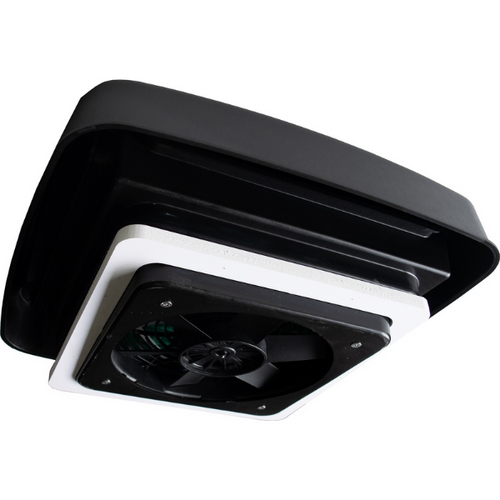
If you have spare 12V power available, the CaraFan Sahara 12V Caravan Pressuriser offers a more powerful dust reduction solution. If you’re looking for a system that can provide continuous dust protection while your caravan is stationary, the CaraFan is for you.
Designed and tested for Australian conditions, it uses a 12V fan to actively pressurise your caravan, helping keep dust out without blocking ventilation points. With airflow of up to 1200m3/h and a low 6-amp draw, it’s designed to keep your van, equipment and electronics better protected from dust wherever your travels take you and no matter the speed of travel, the perfect solution for small to large caravans. With a cut out of between 340x 340mm and 355 x 355mm these can easily replace your existing caravan hatch or skylight if roof space is limited.
The Carafan is the number one choice for Cape York and Gibb River Road travellers as it provides ‘always on’ protection with a low power draw, robust pressure system and powder-coated aluminium outer cases for the harsh Australian climate. With replaceable or washable filters available you can be confident you will stay dust free anywhere on the open road.
.png)
NCE-HTP
Another quality option is the NCE-HTP Dust Reduction System, with its Australian made design it works with a powerful 12v fan delivering approximately 1100m3/h protection and 6.5amp power draw. It utilizes a slightly smaller cut out requirement of 315 x 315mm and its outer casing is a UV-resistant plastic to stand up to the hot Australian sun all year round. With replaceable filters you can be rest assured to have clean air all year round with spares packed.
Millenco Dust Reduction with TV Antenna
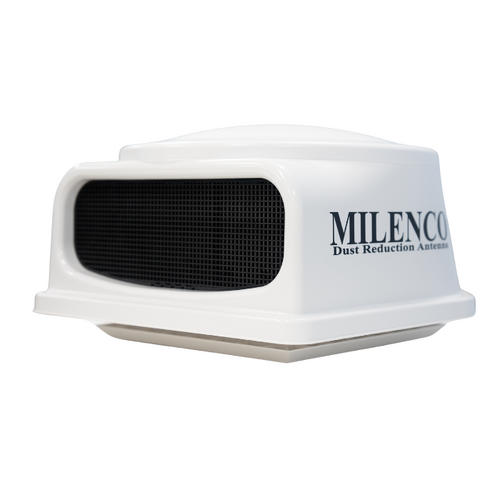
When it comes to adding components to the roof of your caravan, space is always very precious. Between solar panels, roof hatches, Tv antennas and air conditioners the real estate can be quite slim if you decide to add a dust reduction system as well. Milenco have thought outside the box and have combined their TV antenna and dust reduction in one reliable and robust design. Designed to be used in motion it does contain 6w fans to keep the pressure built up when the caravan slows down. With a quality TV Antenna built within the unit you can stay dust free and update to date with all the free to air Tv channels at once! Leaving more room for solar panels to keep you powered on the road.
Gusto DRS and Gusto DRS Pro
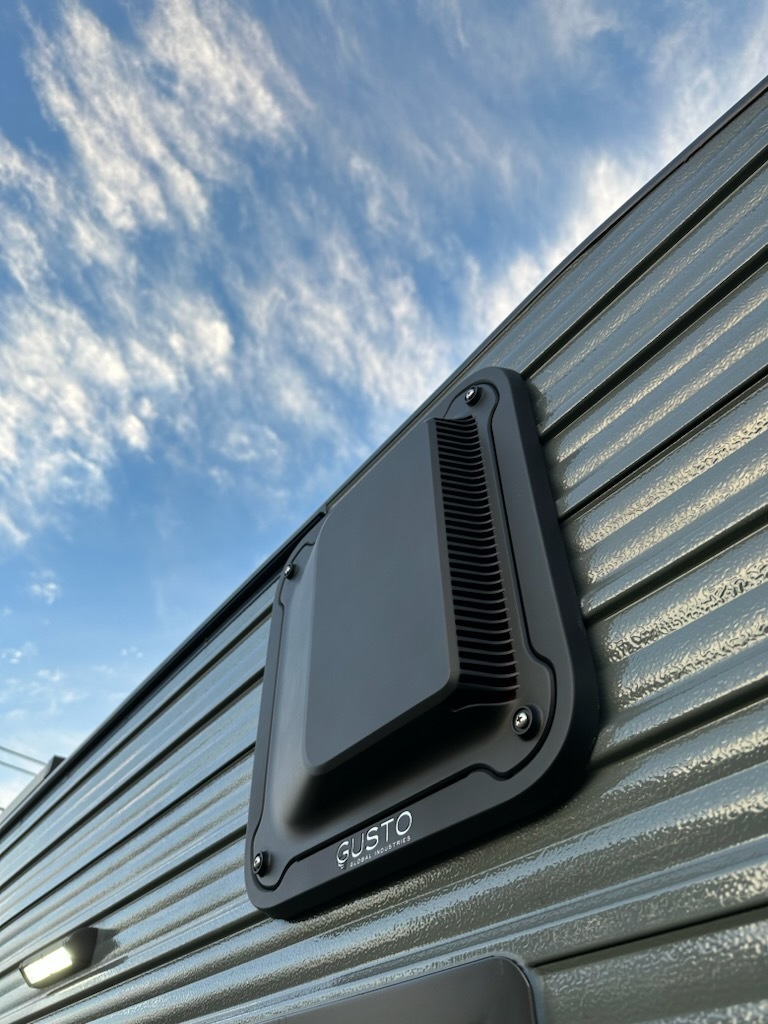
Gusto have taken the stress out of finding room on your roof for a dust reduction and designed a wall mounted system with powerful performance across two models. The Gusto DRS boasts a powerful 1800m3/h air flow volume, perfect for large caravans. It does however consume 16amp of battery power. The Gusto Pro is suited for small to mid vans with a 1050m3/he airflow volume and only uses 6ah per hour. With its wall mounted design it makes installing super easy, sacrificing an overhead cupboard to provide a dust free caravan on those dusty roads.
Installation and Care Tips:
Once you have chosen which dust reduction best suits your needs, it's time to plan for the installation and care on the road.
-
Sealing - Water ingress can cause as much damage as dust ingress. Ensure premium grade structural adhesive/sealant (e.g., Dicor Lap Sealant or Fixtech 15) is applied during installation. Remember water always wins, so sealing your unit properly is the key to keeping your van dry.
-
Measure Twice Cut Once - If you aren’t using an existing opening and need to cut a hole in your roof or wall, always measure twice and cut once. The last thing you want is a hole that’s too big, this will create a plethora of problems for you
-
Position - Always read your manual for installation locations, all non or low powered dust reduction systems have to face the direction of travel. Make sure you don’t install one directly behind an air conditioner impeding proper air flow.
-
Where is your 12v - If you are choosing a powered DRS then choose your installation location wisely, can it be fitted close to existing 12v cabling? Choosing to have a DRS on closest to the side of the caravan edges means you can easily tracking wiring up through the walls. The perfect solution is swapping out a roof hatch that contains LED lights, your power is already there!
-
Filter Care - Inspect filters after every major off-road trip. Replace paper filter cartridges to maintain rated airflow (CFM) regularly or after big dusty trips. Take extra filters with you to maintain quality clean air. Check if your DRS has washable filters available, this negates the need to carry extras.
-
Rainy Day Travels - Most Dust Reduction systems have designs in place to catch water if you face heavy rain on the road. Thoroughly read your manual to see if you need to maintain any catchment trays. If you do come across heavy rain on your travels, switch your DRS off. The rain will be enough to keep your dust to a minimum and avoid sucking any unnecessary water into your DRS and causing the dust in the filters to turn to mud.
Caravan Dust Reduction Systems FAQS
−1. How Does a Caravan Dust Reduction System Work?
A caravan dust reduction system works by creating positive air pressure inside your caravan, helping prevent dusty air from being drawn in through vents, gaps and other openings. As your caravan travels, dust and air can be forced towards the van, creating areas of lower pressure that draw dust inside. A DRS counteracts this by introducing filtered air into the caravan, creating positive pressure that pushes air out rather than allowing dust to enter.
−2. Why Does My Caravan Still Get Dusty Even With Good Seals?
Even with good-quality seals, a caravan cannot be completely airtight. Australian gas safety requirements mean caravans need permanent ventilation, including lower vents, which can provide pathways for dust to enter while travelling. The pressure changes created as you drive can also draw fine dust through small gaps around doors, windows, vents and other openings.
−3. How Often Should You Replace a Dust Reduction System Filter?
If you regularly travel through dusty, dry or remote areas, your filter will collect more dust and may need to be replaced more frequently. It’s a good idea to regularly inspect the filter and replace it when it becomes visibly dirty, clogged or restricted. Keeping the filter clean and replacing it when required helps your dust reduction system maintain effective airflow and filtration.
Installing a dust reduction system gives you the freedom to travel on every dirt road the Australian Outback has to offer. Enjoy the beautiful landscapes and pull up in the afternoon with the confidence of walking into a clean and dust free caravan.
DISCLAIMER* Please note, this advice is general in nature and we strongly recommend consulting the product manual and where relevant, a professional installer.